
Severn Trent has published a new case study through the Green Finance Institute, positioning itself as a leader in “nature‑positive” business. The message is polished and optimistic: investing in peatlands, woodlands and catchment restoration isn’t a cost, they say, it’s a smarter way to run a business.
On paper, it’s a compelling narrative.
In practice, it leaves out the most important part of the story.
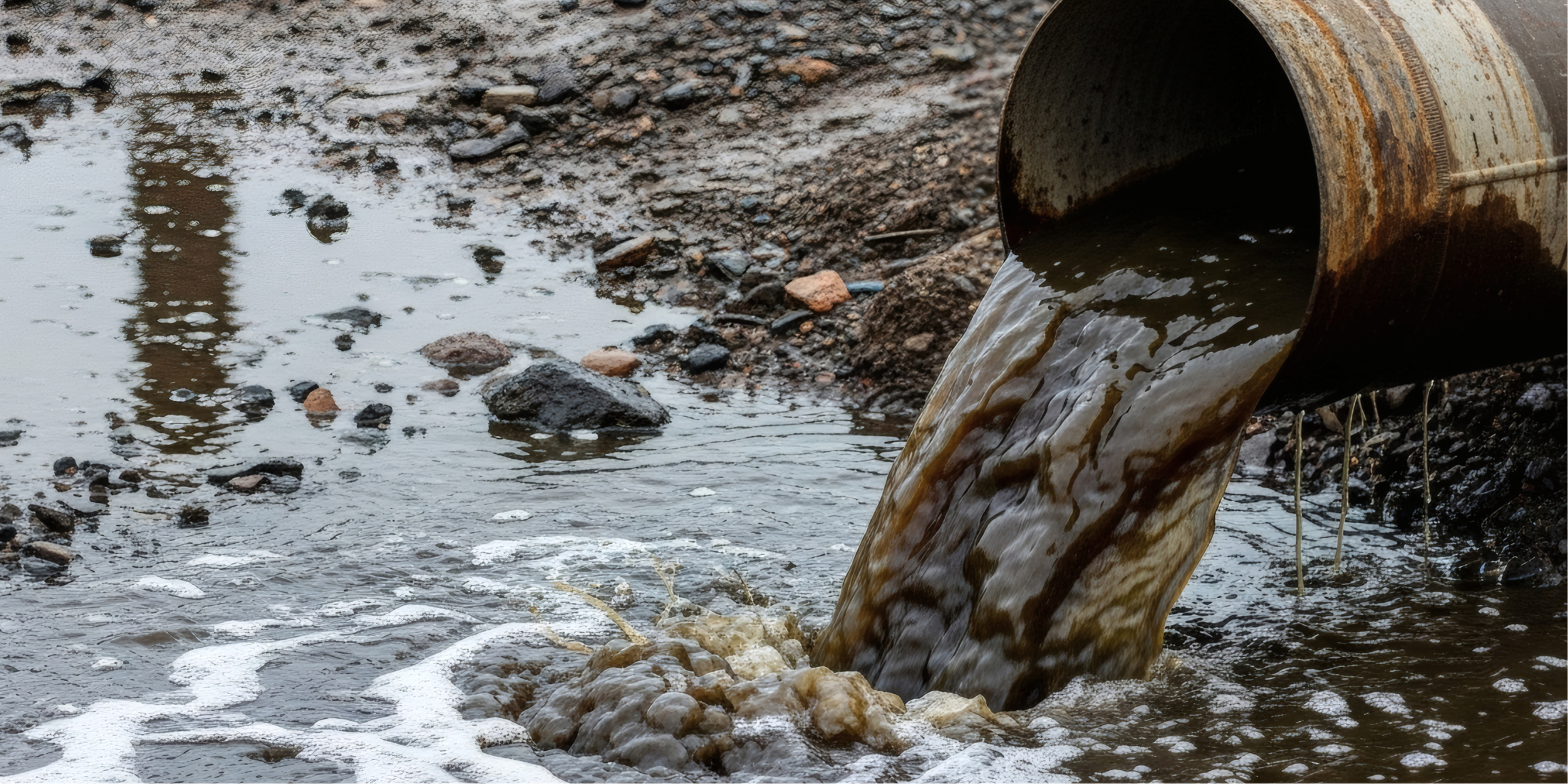
Here in Leicestershire, communities are still documenting sewage pollution, dry‑weather spills, inconsistent reporting and assets that fail to meet basic legal standards. Against that backdrop, nature‑based PR can feel less like leadership and more like a distraction from the urgent work that still isn’t being done.
The Promise of Nature-Based Solutions and the Reality Behind Them
Severn Trent highlights two projects: the Clough Woodlands Project and the Moors for the Future Partnership. Both are valuable initiatives. Restoring peatlands and woodlands does improve water quality at source, reduce sediment, and build climate resilience.
But these projects sit alongside a very different set of facts:
• Many of Severn Trent’s recent “nature investments” were not voluntary. They were Enforcement Undertakings, payments made because environmental law was breached.
• Catchment restoration does not fix failing wastewater assets. It doesn’t stop dry‑weather spills, telemetry failures or unmonitored overflows.
• Communities across the region continue to record sewage impacts, including here in Leicester, where citizen evidence is filling gaps left by incomplete monitoring.
• Nature‑positive messaging cannot replace legal compliance. Planting trees upstream does not excuse pollution downstream.
Nature-based solutions have a role to play, but only alongside, not instead of, robust investment in wastewater infrastructure.
What’s Missing From Severn Trent’s Story
The case study frames nature as a way to “delay or replace costly infrastructure investment.”
That line should concern anyone who cares about river health.
Delaying infrastructure upgrades is exactly what has led to the current crisis: ageing assets, insufficient capacity, and a system that cannot cope with modern demand or climate pressures. Nature projects may reduce sediment or slow runoff, but they cannot compensate for under‑investment in core wastewater treatment.
A nature‑positive economy cannot be built on top of failing pipes, outdated treatment works, and storm overflows that activate in dry weather.
The Risk of a Two-Track Narrative
There is a growing pattern in the water industry:
celebrate nature‑based projects publicly, while communities continue to document sewage pollution locally.
This two‑track narrative creates confusion and erodes trust. It also risks shifting attention, and investment, away from the unglamorous but essential work of fixing the infrastructure that keeps sewage out of rivers in the first place.
Nature restoration is not a substitute for:
• reliable monitoring at every CSO
• accurate, transparent reporting
• ending unpermitted discharges
• upgrading treatment capacity
• maintaining assets to legal standards
These are the foundations of environmental protection. Without them, nature‑based projects become a glossy layer on top of unresolved systemic issues.
What Real Leadership Would Look Like
If Severn Trent wants to demonstrate genuine environmental leadership, it starts with the basics:
• Stop pollution at source, not offset it with projects elsewhere
• Invest in wastewater infrastructure, not delay it
• Provide full, consistent monitoring data, not partial visibility
• Work transparently with communities, not rely on PR narratives
• Treat nature restoration as additional, not as a replacement for compliance
Nature‑based solutions can be part of a resilient future, but only when the fundamentals are in place.
A Call for Honesty and Alignment
Communities across the Midlands want healthy rivers. They want clean water, reliable data, and infrastructure that works. They want nature restored but not used as a shield for ongoing pollution.
If Severn Trent truly believes environmental performance and financial performance go hand in hand, then the most powerful investment it can make is in the systems that prevent harm, not just the projects that repair landscapes after the fact.
A nature‑positive future is possible.
But it starts with stopping pollution, not rebranding around it.