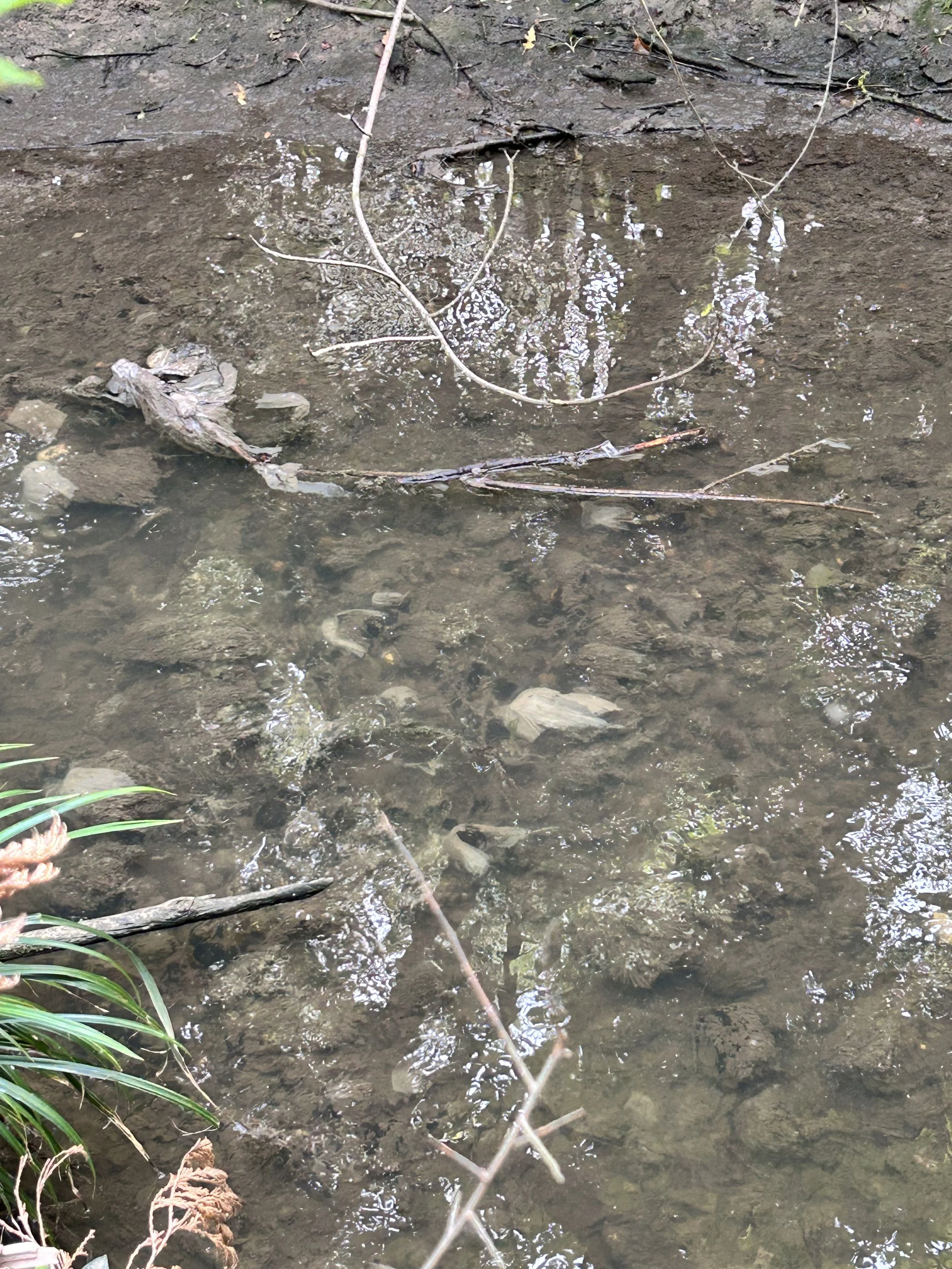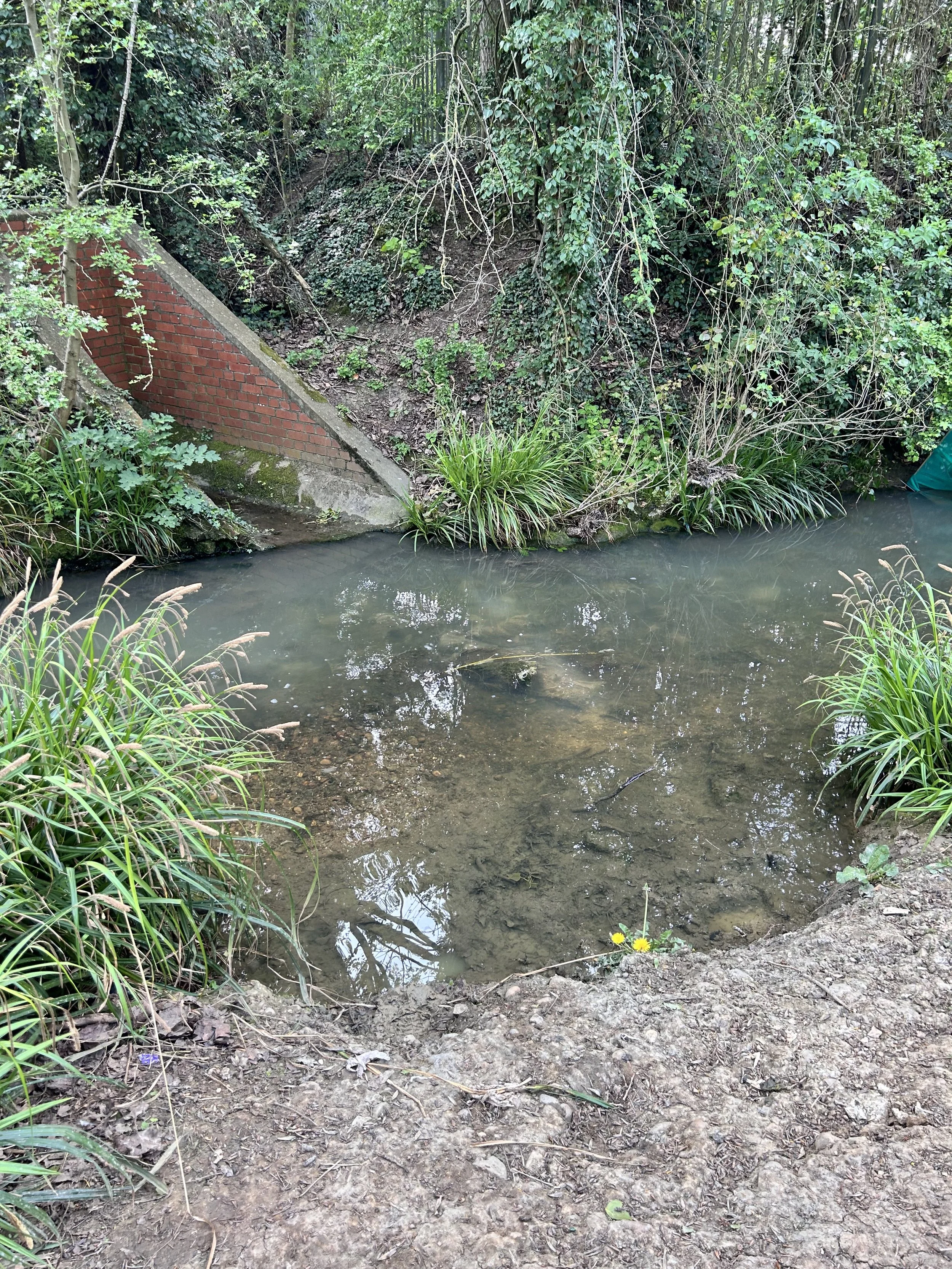
In late April 2026, a sewage pollution incident at Knighton Park raised serious concerns about reporting accuracy, regulatory oversight, and public health protection.
Clean River Action has reviewed Environment Agency (EA) logs, Severn Trent Water (STW) documentation, and direct observations to understand what happened and why elements of the official narrative appear inconsistent with the evidence.
This article summarises those findings in a clear, factual, and legally responsible way. All statements are based on documented records or direct observation.
1. Why This Incident Matters
The Knighton Park spill was a significant event. Evidence recorded in EA logs, STW documents, and on‑site observations appears to indicate:
• prolonged sewage discharge
• elevated ammonia levels
• sewage fungus visible downstream
• public health concerns raised by Leicester City Council
• a regulatory downgrade without a site visit
• inconsistencies within the water company’s documentation
Taken together, these issues appear to indicate weaknesses in reporting and oversight that merit scrutiny.
2. A Timeline That Does Not Align
reconstruction of the timeline from EA logs, STW’s storyboard, and direct observation reveals several discrepancies.
25 April 2026
• STW recorded arrival at 15:20.
• EA logged the incident as Category 2 at 17:02.
• EA officers recorded elevated ammonia and sewage fungus between 19:30 and 20:56.
• At 20:56, EA officers noted the issue had “likely been going on for a long time.”
• At 21:00, the EA downgraded the incident to Category 3, despite not attending the site.
26 April 2026
STW reported that pollution ceased at 19:52 the previous evening.
However, sewage was still visibly discharging the following morning.
This represents a clear discrepancy between the reported stop time and observed conditions.
27–30 April 2026
STW located the blockage, identified structural sewer damage, and removed tarmac and timber.
8 May 2026
STW submitted a request to extend their reporting deadline.
The form is dated 17 April, eight days before the incident occurred.
This impossible date raises legitimate questions about the integrity of the timeline.
3. The Impossible Date
The extension request contains two key fields:
• Incident date: 25/04/2026
• Extension request date: 17/04/2026
There may be several explanations, administrative error, template reuse, or internal system issues, but the presence of an impossible date on an official document appears to undermine confidence in the accuracy of the storyboard.
Clean River Action is not asserting intent.
We are highlighting a verifiable inconsistency that warrants clarification.
4. Pollution Severity: Indicators of a Longer‑Term Issue
Ammonia Levels
• STW recorded ammonia levels exceeding 15 mg/l at the outfall.
• EA officers recorded elevated ammonia up to 150 metres downstream.
These readings are consistent with significant pollution rather than a brief or low‑impact event.
Sewage Fungus
EA logs note sewage fungus “visible quite far downstream”, typically associated with sustained organic pollution.
Direct Observation
Sewage was still discharging on 26 April, contradicting the reported stop time.
This suggests the duration of the incident may have been under‑reported.
5. Conflicting Statements About the Source
Documentation shows a shift in STW’s recorded position:
• EA logs initially state: “Unmapped drain, not Severn Trent’s.”
• STW later accepted responsibility, citing a blockage in their network.
• STW also acknowledged structural sewer damage allowing foul water to migrate through the ground.
These statements, as recorded in EA logs and STW documents, appear inconsistent and require clarification.
6. Public Health Concerns Not Reflected in the Response
A Leicester City Council ranger reported:
• no warning signage
• dogs entering contaminated water
• residents expressing concern
Despite this, no signage was erected, and the EA did not attend the site.
Based on the available evidence, this appears to represent a significant safeguarding gap.
7. Misclassification and Regulatory Weaknesses
The EA initially classified the incident as Category 2 due to duration and ongoing discharge.
It was later downgraded to Category 3, despite:
• sewage fungus
• elevated ammonia
• structural sewer damage
• public health concerns
• ongoing discharge observed the next day
The downgrade occurred without a site visit, and the EA later accepted a storyboard containing an impossible date.
These issues raise legitimate questions about regulatory verification processes.
8. Conclusions
Based on the documented evidence, the Knighton Park incident highlights:
• data inconsistencies
• contradictory reporting
• potential misclassification
• gaps in public health protection
• weaknesses in regulatory verification
• reliance on water company narratives despite conflicting evidence
These findings justify calls for:
• a reopened investigation
• a review of the incident classification
• an internal EA review
• potential escalation to the Information Commissioner’s Office
• transparent communication with elected representatives and the public
9. Clean River Action’s Next Steps
Clean River Action has prepared:
• a formal challenge to the EA
• a request for an internal review
• an ICO‑ready outline
• a public briefing
• an MP briefing
These actions are grounded in documented evidence and taken in the public interest.
Legal Note
This article is based solely on:
• official EA logs
• STW’s storyboard
• documented dates
• publicly available information
• direct observation
Where interpretation is offered, it is presented as honest opinion based on the documented evidence set out above and made in the public interest.
Readers are encouraged to review the source documents and reach their own conclusions.