
Executive Summary
Clean River Action submitted an Environmental Information Regulations (EIR) request to Severn Trent Water seeking detailed information on dry‑weather sewage discharges across Leicester and Leicestershire.
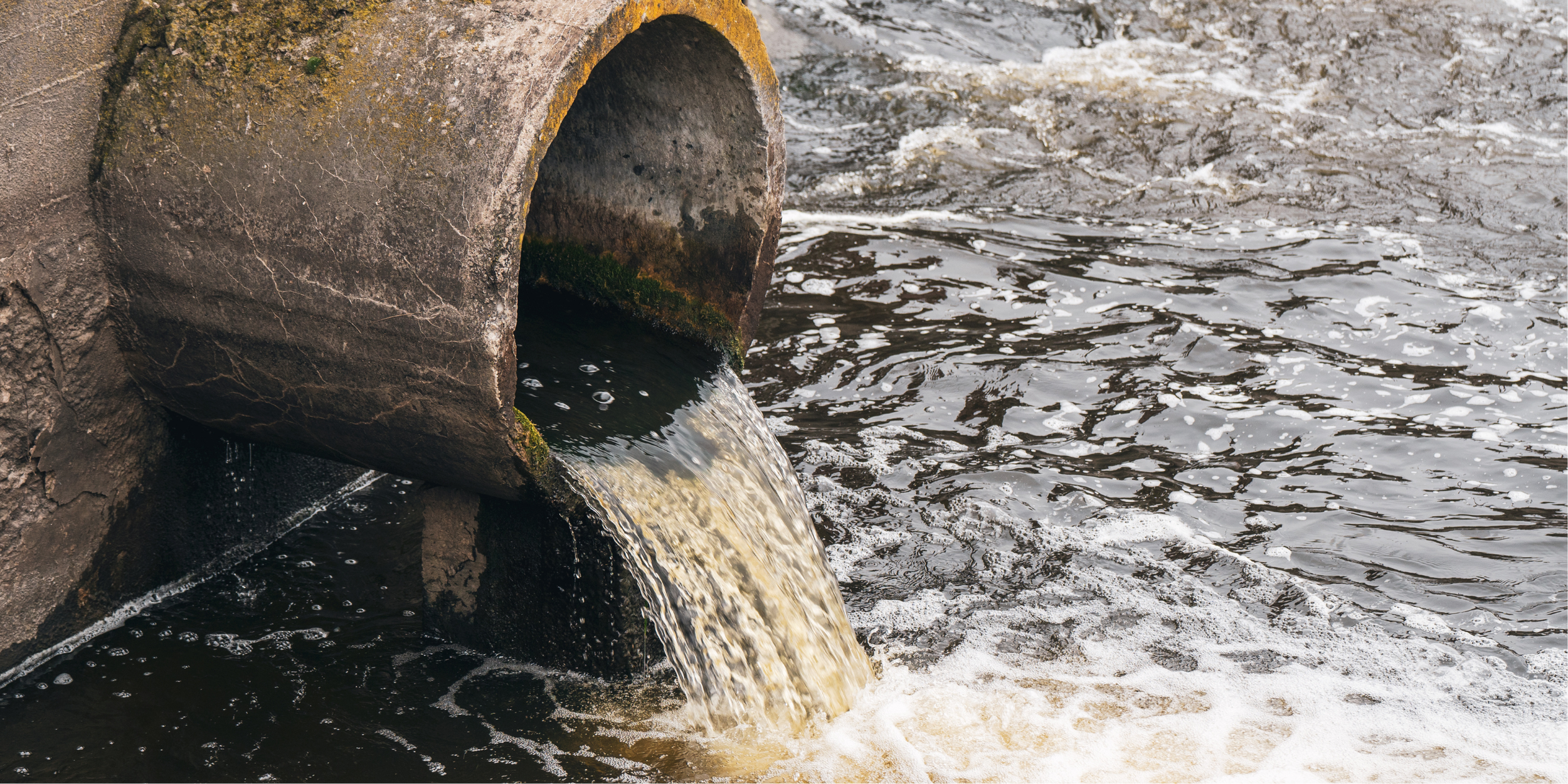
Dry spills are sewage discharges occurring without rainfall and are among the most serious operational failures in wastewater management and are unlawful unless exceptional circumstances apply.
Severn Trent’s response reveals significant gaps in monitoring, investigation, and transparency. Including missing data, missing investigations, withheld rainfall evidence, and fragmented operational records.
This report sets out the key findings and their implications for environmental protection and regulatory oversight.
1. Missing Historical Dry‑Spill Data
Severn Trent state they only hold dry‑spill data for 2024, 2025 and 2026, explaining that earlier reporting “was not required”.
Why this is significant
Even if formal reporting was not mandated, water companies must still record:
• operational failures
• blockages
• asset issues
• unpermitted discharges
Dry spills are unlawful unless exceptional circumstances apply.
The absence of records suggests a serious governance failure and raises questions about how many dry spills may have gone undocumented prior to 2024.
2. No Volumes Recorded for Any Dry Spill
Severn Trent confirm “we do not record volumes.”
Why this matters
Volume is essential for assessing:
• environmental impact
• pollutant load
• ecological harm
• enforcement severity
Without volume, neither regulators nor the public can determine the scale of a discharge.
A two hour spill could release a few cubic metres or tens of thousands of litres.
Not recording volumes prevents meaningful environmental assessment and undermines accountability.
3. No Root‑Cause Investigations
Severn Trent state “Root causes are not consistently recorded, we do not maintain a comprehensive set of formally documented spill‑level investigations.”
Why this is serious
Dry spills are not permitted.
Failing to investigate them means:
• no audit trail
• no accountability
• no corrective action
• no identification of repeat failures
This is one of the most concerning admissions in the response and indicates a lack of internal oversight for potentially unlawful events.
4. Unproven Explanations Offered Without Evidence
Severn Trent suggest “Many of these events are associated with prolonged catchment drain‑down following rainfall…”
Why this is problematic
This explanation is speculative.
Severn Trent provide:
• no rainfall data
• no flow data
• no hydrological analysis
• no event‑specific justification
Without evidence, this claim cannot be verified and risks being used as a blanket explanation for events that may in fact be dry spills.
5. Rainfall Data Withheld
Rainfall is the primary factor used to determine whether a spill is storm‑related or a potential dry‑weather spill.
Severn Trent refuse to release the rainfall data used for classification.
Why this matters
Without rainfall data:
• spill classification cannot be independently verified
• the public cannot check the company’s claims
• regulators cannot scrutinise the basis of classification
• transparency is severely compromised
This is a major barrier to public oversight.
6. Reliance on EA Rainfall Gauges Acknowledged as Inadequate
Severn Trent point to Environment Agency rainfall data but note it “Provides limited coverage.”
Why this is contradictory
They refuse to release the high resolution rainfall data they actually use, while acknowledging that the publicly available alternative is insufficient.
This leaves no usable rainfall evidence in the public domain.
7. No Mitigation Plans Provided
Clean River Action requested:
• mitigation measures
• planned improvements
• actions taken to prevent future dry spills
Severn Trent responded only with “We are progressing targeted activities…”
Why this is a concern
There are:
• no specifics
• no timelines
• no asset upgrades
• no operational changes
• no evidence of action
This suggests mitigation is either not happening or not being documented.
8. Fragmented Operational Data Systems
Severn Trent state “Operational information… is held across a number of internal systems… not in a standardised or extractable format.”
Why this matters
This indicates a data‑governance failure.
Fragmented systems mean:
• no centralised record of dry spills
• no ability to audit
• no ability to investigate
• no reliable reporting
This undermines transparency and regulatory oversight.
9. Meetings Offered Instead of Documentation
When unable to provide evidence, Severn Trent pivot to offering meetings with their engagement team.
Why this is a red flag
Meetings do not replace statutory disclosure.
They do not create a written record and shift the conversation away from evidence.
This approach is often used when documentation is incomplete or explanations are weak.
10. No Correspondence with the Environment Agency Provided
Clean River Action requested:
• EA correspondence
• notifications
• discussions about dry spills
Severn Trent provided none.
Why this is concerning
Either:
• the correspondence exists and was withheld, or
• it does not exist, meaning dry spills may not have been reported
Both scenarios raise serious compliance questions.
Overall Assessment
Severn Trent’s EIR response reveals a systemic transparency and data‑governance problem:
• missing historical data
• missing volumes
• missing investigations
• missing rainfall evidence
• missing EA correspondence
• missing mitigation plans
• fragmented operational systems
Dry spills are among the most serious pollution events.
The current monitoring and reporting framework is not fit for purpose, and the gaps identified here undermine public confidence and regulatory oversight.
Next Steps for Clean River Action
We will continue to:
• analyse the dry‑spill dataset
• request missing information
• escalate transparency concerns to regulators
• work with partners and community groups
• keep the public informed
If you would like to support this work or help analyse the data, please get in touch.