
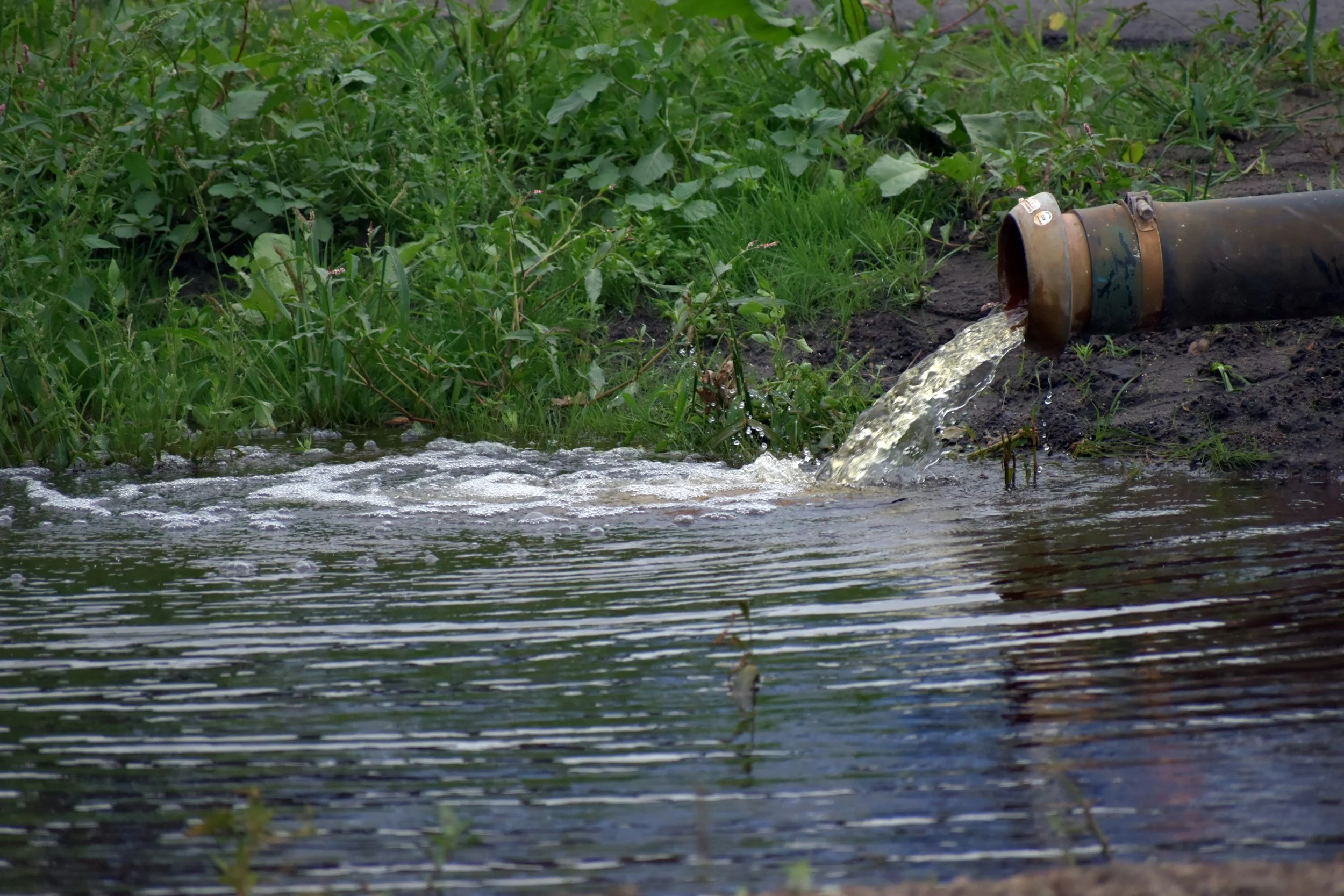
England's rivers, aquifers, wetlands and coastal waters are under growing pressure. Sewage pollution, declining biodiversity, water scarcity and mounting public concern have all raised serious questions about whether our environmental protection system is delivering the outcomes people expect.
Recent reporting has intensified those concerns. Investigations have highlighted questions around water abstraction licensing, while allegations surrounding wastewater monitoring and compliance have renewed public debate about transparency and enforcement across the water sector.
Taken together, these issues point to a difficult but important question:
Is England's environmental regulatory system equipped to protect our waterways in the public interest?
At Clean River Action, we believe the evidence suggests significant reform is needed.
A Growing Confidence Gap
The Environment Agency (EA) plays a critical role in protecting the natural environment, it is responsible for issuing permits, monitoring compliance, enforcing environmental law and safeguarding water resources.
Yet public confidence has been shaken by a series of high-profile controversies.
The Office for Environmental Protection (OEP) concluded that the regulation of combined sewer overflows by the Environment Agency, Defra and Ofwat did not comply with aspects of environmental law. That finding raised serious concerns about whether existing regulatory approaches have adequately protected rivers from sewage pollution.
For many communities, this reflected what they have already been witnessing: rivers continuing to decline while pollution incidents remain common.
When Problems Become Normal
One of the clearest concerns is that systems designed decades ago have not kept pace with modern pressures.
Many wastewater permits originate from a very different era, before today's population growth, housing expansion and climate pressures. Campaigners, environmental organisations and river groups have increasingly questioned whether some regulatory frameworks remain adequate for protecting sensitive ecosystems.
There is also growing concern that repeated pollution events have become normalised rather than treated as warning signs that the system itself requires change.
Communities should not have to accept pollution as the price of living near a river.
Can Self-Monitoring Be Trusted?
Another major issue is monitoring.
Much compliance data comes through Operator Self-Monitoring, where water companies collect and report much of their own environmental data.
While self-reporting can have a role in regulation, recent allegations reported in the national media have prompted questions about whether current safeguards are sufficient. If monitoring systems rely heavily on company-generated data, public confidence depends on robust independent verification.
The question is not simply whether individual incidents occurred. It is whether the system provides enough independent scrutiny to reassure the public that environmental reporting is accurate and complete.
Enforcement That Deters Wrongdoing
Regulation only works when rules are enforced.
Many campaigners argue that enforcement action has not always matched the scale of public concern about river pollution. Although prosecutions do occur, critics point to a perception that enforcement can be slow, inconsistent and overly reliant on voluntary improvement programmes.
Whether that perception is entirely fair or not, it matters.
Public trust depends on seeing clear consequences when environmental standards are breached.
Who Owns Our Water?
Recent reporting on spring water abstraction has also sparked an important debate about how public water resources are managed.
Water is a shared natural asset. Decisions about who can extract it, how much can be taken and what safeguards are in place should be transparent and subject to public scrutiny.
As drought risks increase and climate pressures intensify, communities are asking whether historic abstraction licences remain appropriate and whether environmental protections are keeping pace with changing conditions.
These are legitimate questions that deserve open debate.
The Bigger Problem: A System Under Strain
It would be easy to focus on individual controversies, but the bigger issue may be structural.
Years of budget pressures have reduced inspection capacity and increased reliance on company-provided data. Responsibility for water regulation is spread across multiple organisations, including the Environment Agency, Defra, Ofwat, Natural England and local authorities.
When responsibilities are fragmented, accountability can become blurred.
The result is a system that many people find difficult to understand and, increasingly, difficult to trust.
What Change Could Look Like
Clean River Action believes reform should focus on transparency, accountability and environmental protection.
This could include:
Greater independent monitoring and auditing of environmental data.
More regular reviews of permits and licenses.
Stronger enforcement where serious breaches occur.
Greater transparency around abstraction, discharges and compliance records.
Improved public access to environmental information.
Stronger oversight mechanisms when regulators fail to meet environmental obligations.
These reforms would not only benefit rivers and wetlands; they would help restore public confidence in the institutions responsible for protecting them.
A Call for Action
England's rivers are more than waterways, they are habitats, community spaces, sources of drinking water and part of our shared natural heritage.
The growing concerns surrounding sewage pollution, environmental monitoring, enforcement and water abstraction should not be viewed as isolated issues. They are signals that the current system is under strain.
The question facing policymakers is not whether reform is needed, but whether it will happen quickly enough to halt further environmental decline.
Clean River Action believes this is a moment for ambition.
We are calling on MPs, local councils, environmental organisations, community groups and residents to join the conversation about how environmental regulation can be strengthened for the future.
Clean rivers are not a luxury, they are a public good worth protecting.